Listen with communities
Hold structured sessions with people who know, remember and carry West Indian Revival songs.

West Indian Revival songs as living cultural heritage
West Indian Revival songs are a living cultural inheritance, passed from voice to voice across generations. WIRP works with the people who carry this knowledge to preserve the songs, their stories and their different versions before more is lost.
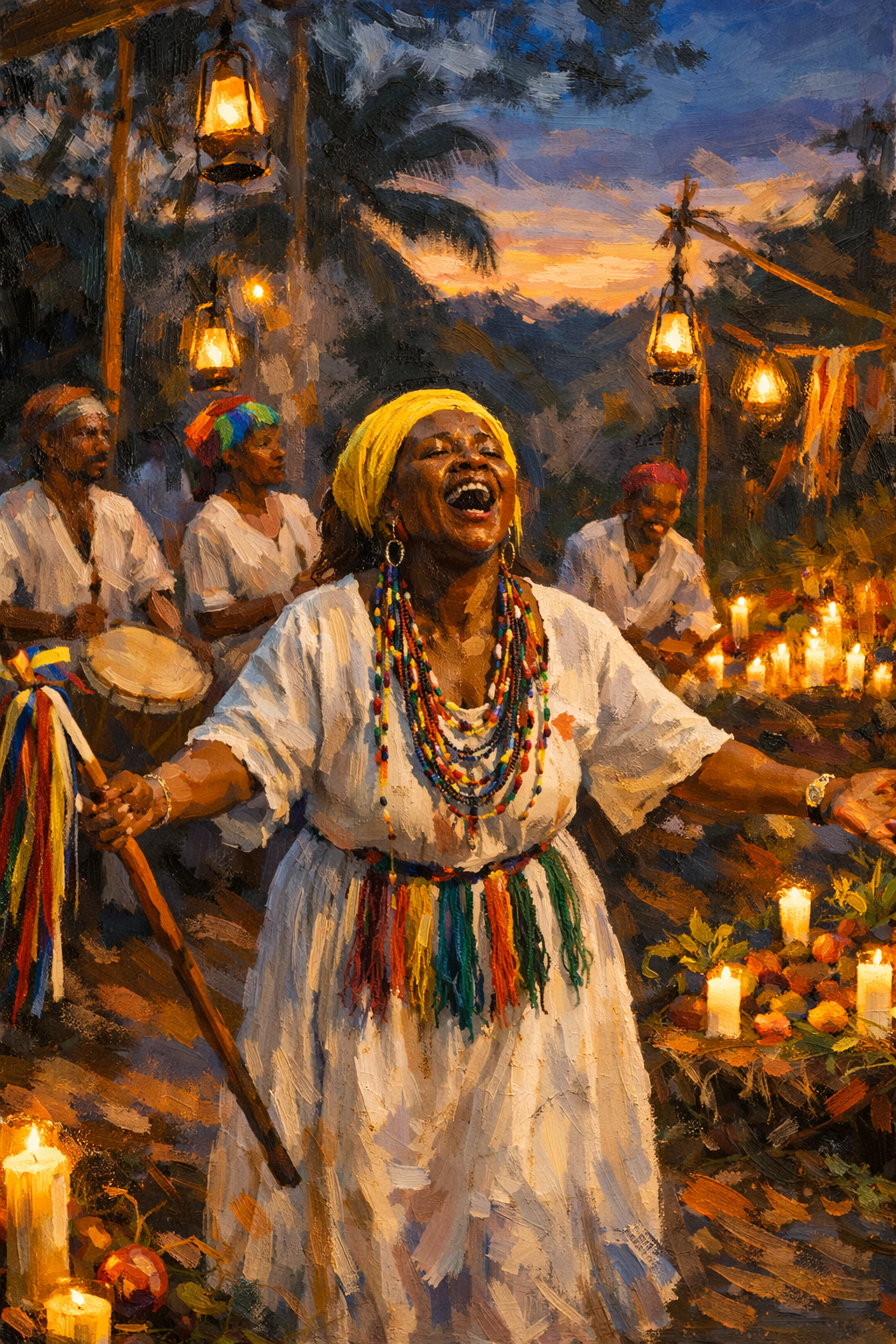
The living tradition
Carried through worship, listening and singing together, West Indian Revival songs gave voice to hope, love, comfort and the strength to endure. Their words, melodies and ways of singing could differ across communities, regions and generations.
These differences are not mistakes to be corrected. They are part of the tradition and the history WIRP exists to preserve.
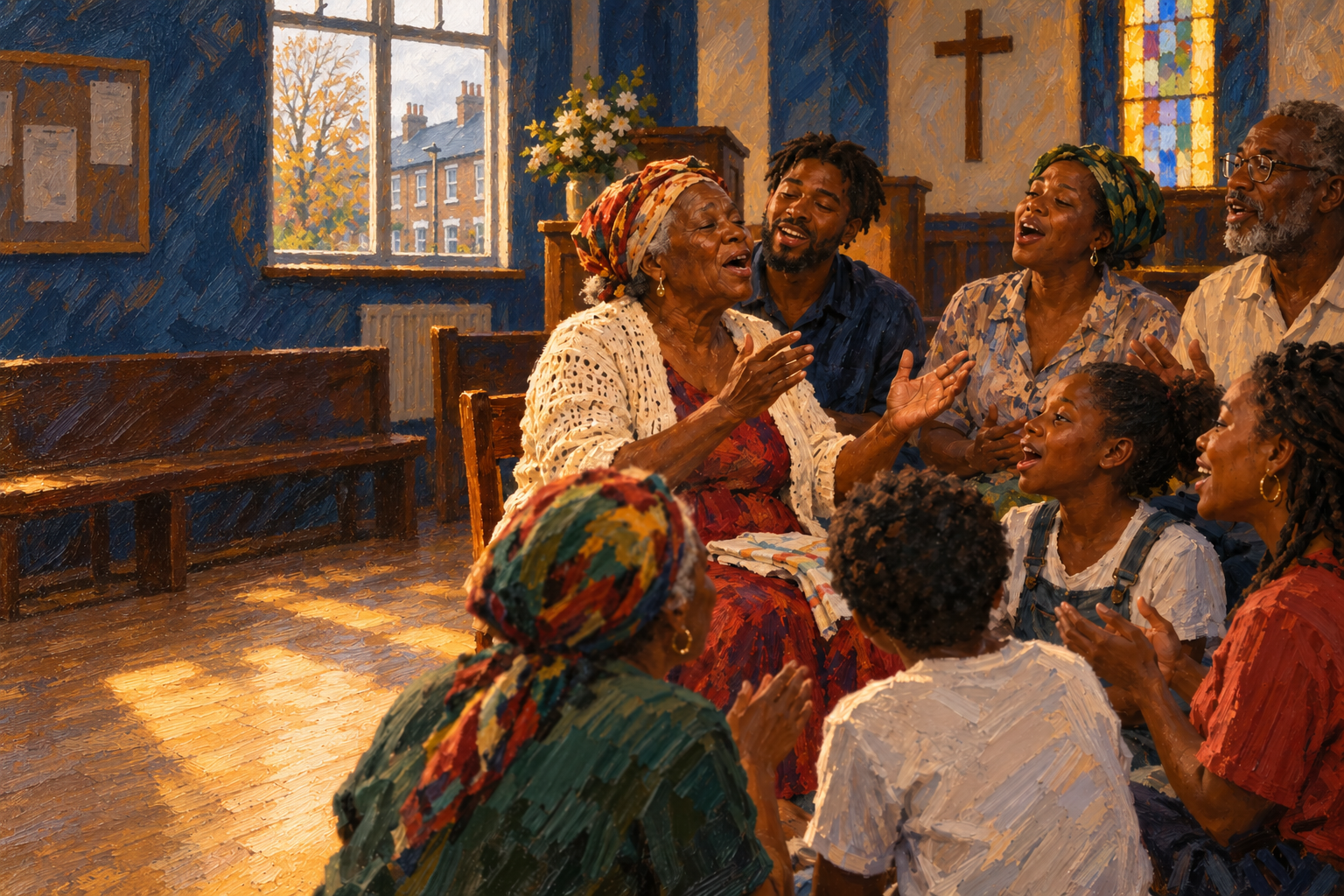
Why WIRP exists
Many West Indian Revival songs live primarily in the memories and practice of the people who carry them. Without careful documentation, we could also lose knowledge of where the songs came from, how they were sung, what they meant and how they differed between communities.
As knowledge holders grow older and traditions change, the opportunity to preserve this knowledge is narrowing. WIRP exists to act while it can still be shared.
What WIRP does
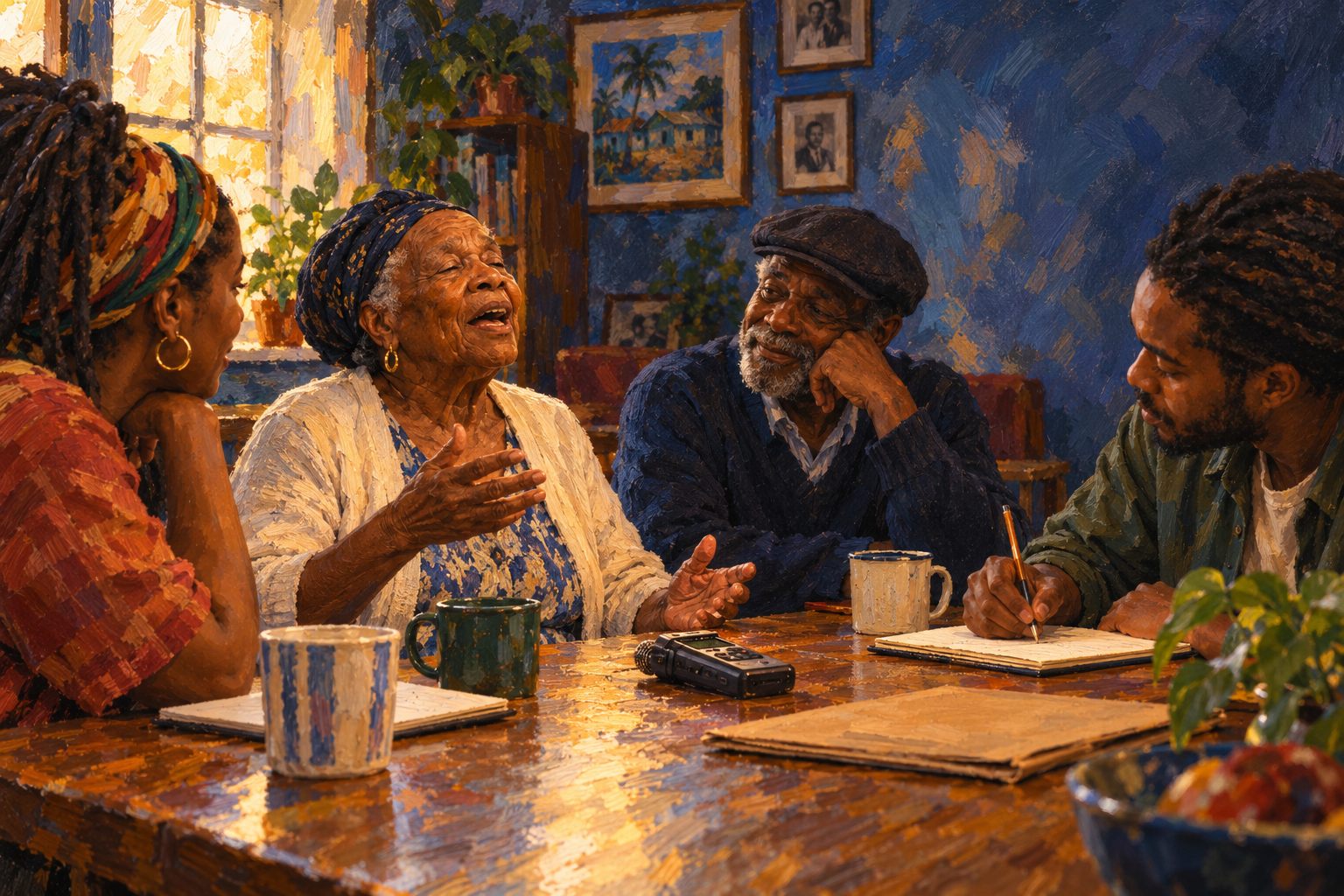
Hold structured sessions with people who know, remember and carry West Indian Revival songs.
Capture lyrics, melodies, memories, different versions and knowledge about how the songs were learned and used.
Document sources, cultural authority, credit preferences and what may or may not be shared.
Develop a carefully chosen group through rehearsal and a pilot performance while protecting their meaning and context.
Documenting a song does not automatically mean making it public.
How WIRP works
WIRP does not treat access as ownership or participation as permission for every future use. The people closest to the tradition must remain part of the decisions made about it.
People with lived experience, recognised knowledge and a relationship to the tradition help guide how material is understood and handled.
Research, recording, archiving, performance and publication are separate decisions. Permission for one does not automatically permit another.
Different words, melodies and memories can coexist. WIRP documents these differences rather than correcting them into one official version.
Permissions, restrictions, changes and uncertainties are recorded so that decisions can be understood, reviewed and challenged.
Founder and Project Lead

Founder & Project Lead
I am Joshua Gordon, Founder and Project Lead of the West Indian Revival Project. As a first generation Black Briton born to parents of the Windrush generation, West Indian culture is not simply my background. It is part of who I am.
I grew up surrounded by the faith, music, stories and resilience of my parents’ generation. As the distance between this knowledge and younger generations grew, I felt a responsibility to act. WIRP began from the need to ensure that this inheritance is not only remembered, but heard, understood and lived.
My role is to connect that purpose with the careful research, partnerships, governance and delivery needed to carry the project forward.
Where the project is now
WIRP is strengthening its governance, developing archive and heritage partnerships, refining its research and documentation methods, and building the systems needed to manage songs, recordings, consent and cultural authority responsibly.
The planned pilot will bring together knowledge holders through structured sessions in Manchester, London and Birmingham. It will test the process for documenting at least 25 songs and carrying a carefully selected group of six songs into a recorded pilot performance.
Follow the project’s progress →08 · Get involved
WIRP welcomes interest from people who know, remember or sing West Indian Revival songs, as well as churches, community groups, researchers and organisations that want to support the work.
If you carry knowledge of the songs or are interested in contributing to the pilot, you can securely register your interest with WIRP.
Register your interest →
Start a conversation about your connection to the tradition and how your community may wish to engage.
Contact the project →
WIRP welcomes conversations with archive, heritage, research and cultural organisations.
Discuss a partnership →
Read verified updates as the project develops and moves towards its pilot stage.
View project updates →