Preserving West Indian Revival songs as living cultural heritage through community authority, ongoing consent and responsible stewardship.
Contents
About WIRP
Our identity, our tradition, our story.
Project intent
The West Indian Revival Project (WIRP) is an ethical, community-led programme to research, document and record West Indian Revival songs with strong cultural integrity and clear authority pathways.
The project will produce high-quality archival recordings, structured metadata and supporting documentation so the repertoire can be preserved, understood and responsibly shared. The work prioritises consent, cultural authority and fair credit. It aims to support both legacy and living practice through recordings, learning resources and performance-ready materials, while maintaining clear boundaries between public release and archive-only access.
Preserving the record with care
Context
WIRP is built on one simple rule: cultural heritage is not taken. It is entrusted. The project exists to honour that trust with structure, transparency and care.
The West Indian Revival era was a cornerstone of Caribbean cultural life. Rooted in community, togetherness, faith and shared care, it helped shape how people gathered, supported one another and made meaning through music.
Worship, memory and shared musical life
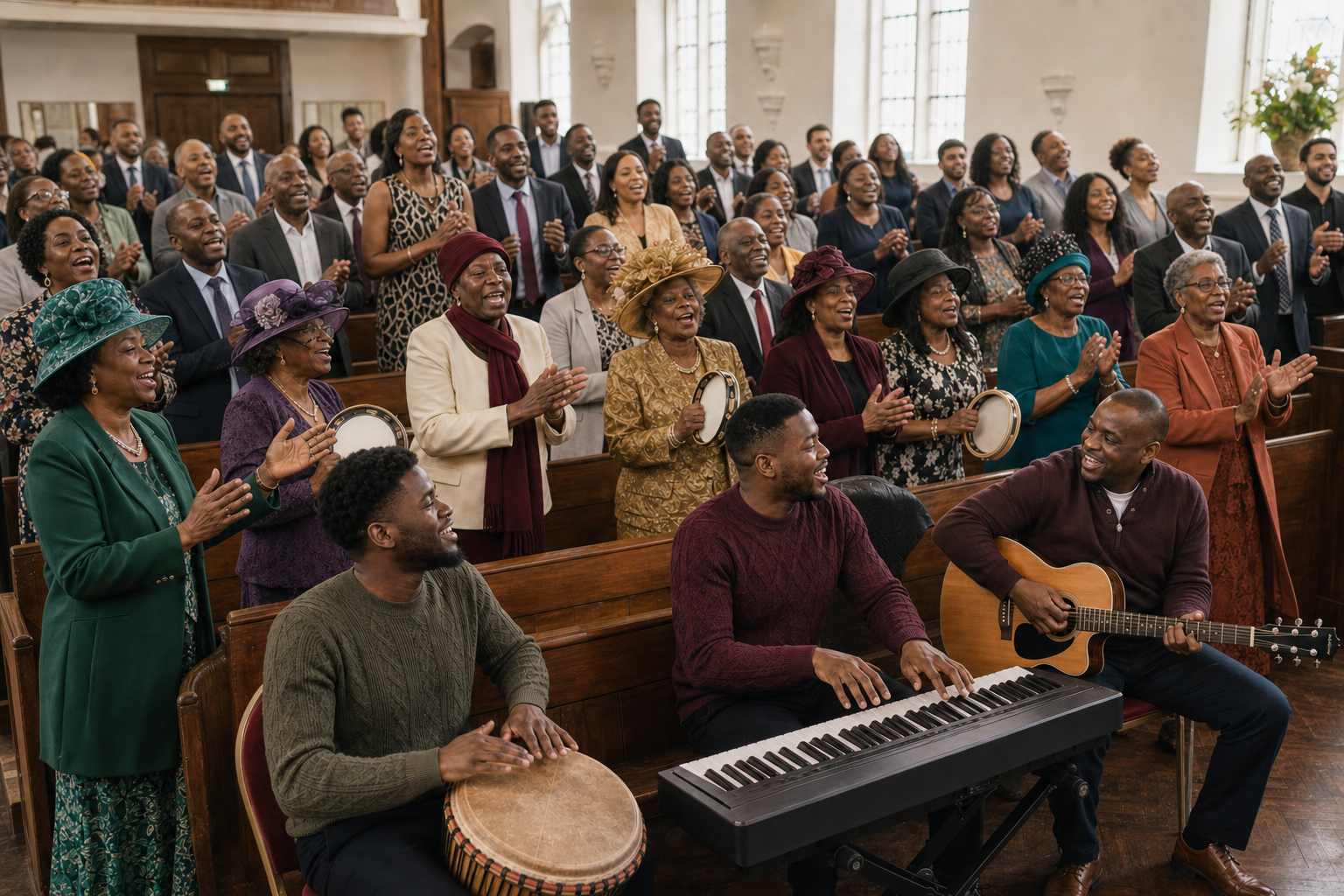
The Revival songs carried more than melody. They spoke of hope, peace, love, forgiveness and the strength to endure. In times of hardship, they offered comfort and direction. Rich with expression and grounded in lived experience, this repertoire remains a powerful inheritance. It is not just history. It is a continuing story, carried forward every time the songs are sung, remembered and shared with respect.
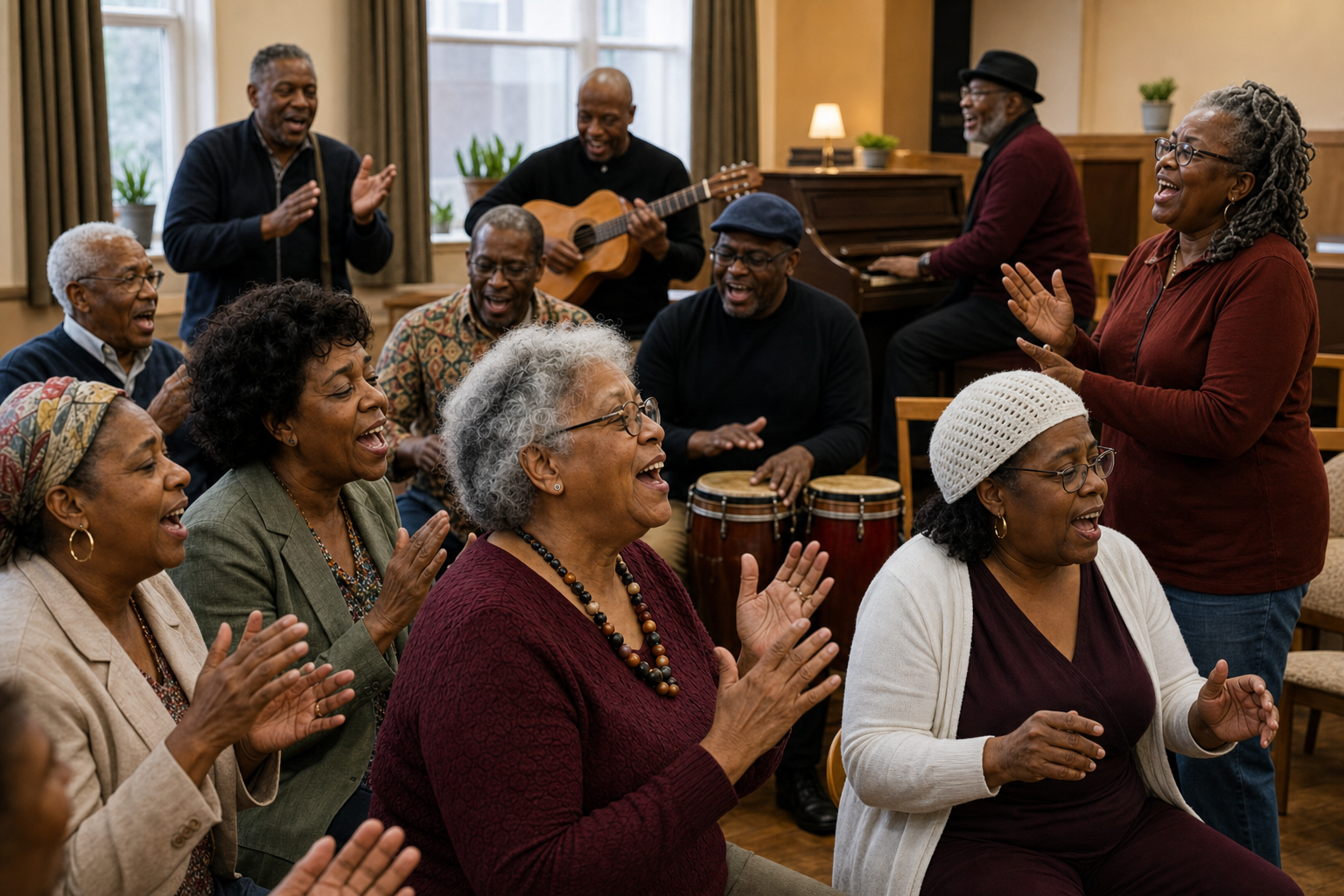
Knowledge of these songs was passed from voice to voice, becoming a living record of who we were, what we believed and how we held each other up. As the generational gap widens and customs and traditions change over time and across environments, this knowledge is now at high risk of being lost.
Project purpose
The purpose of this project is to preserve West Indian Revival songs that have historically been transmitted through oral tradition and communal practice, and which remain at risk of loss because they have not been systematically documented.
Knowledge carried between generations
The project will create a professionally recorded archival body of work that captures these songs with accuracy, contextual integrity and respect for their living traditions. Preservation is achieved through faithful performance and responsible recording, rather than reinterpretation, adaptation or consolidation.
WIRP recognises that these songs were not originally intended to be fixed or finalised. Contemporary conditions, however, mean that without intentional documentation significant elements of the repertoire may disappear. The project therefore intervenes to support continuity, transmission and long-term cultural memory.
The archive is designed as an evolving platform rather than a single finished product. Through multiple recording events over time—including concerts and studio sessions—it can accumulate documented versions that reflect meaningful variation across communities, regions and lineages.
The project does not seek to define a canon, establish definitive versions or claim ownership over the material. Its role is one of stewardship. Recordings will serve as reference points so future singers, educators and communities can encounter the repertoire with clarity, seriousness and cultural respect.
At its core, WIRP exists to ensure that West Indian Revival songs remain audible, learnable and performable for future generations without distortion, erasure or unnecessary formalisation.
What success looks like
By the end of Phase 1, WIRP will have:
A tested ethical and operational model that is funder-legible and scalable.
A defined set of documented songs and variants with clear consent and authority status.
A pilot showcase that demonstrates cultural value, artistic quality and respectful framing.
A structured foundation for later phases, including deeper repertoire expansion, Jamaica engagement and long-term archival partnerships.
Songs sustained through collective participation
Pilot project
The aim in Phase 1 is to present a credible cross-section of West Indian Revival songs while maintaining archival fidelity and minimal but sufficient documentation.
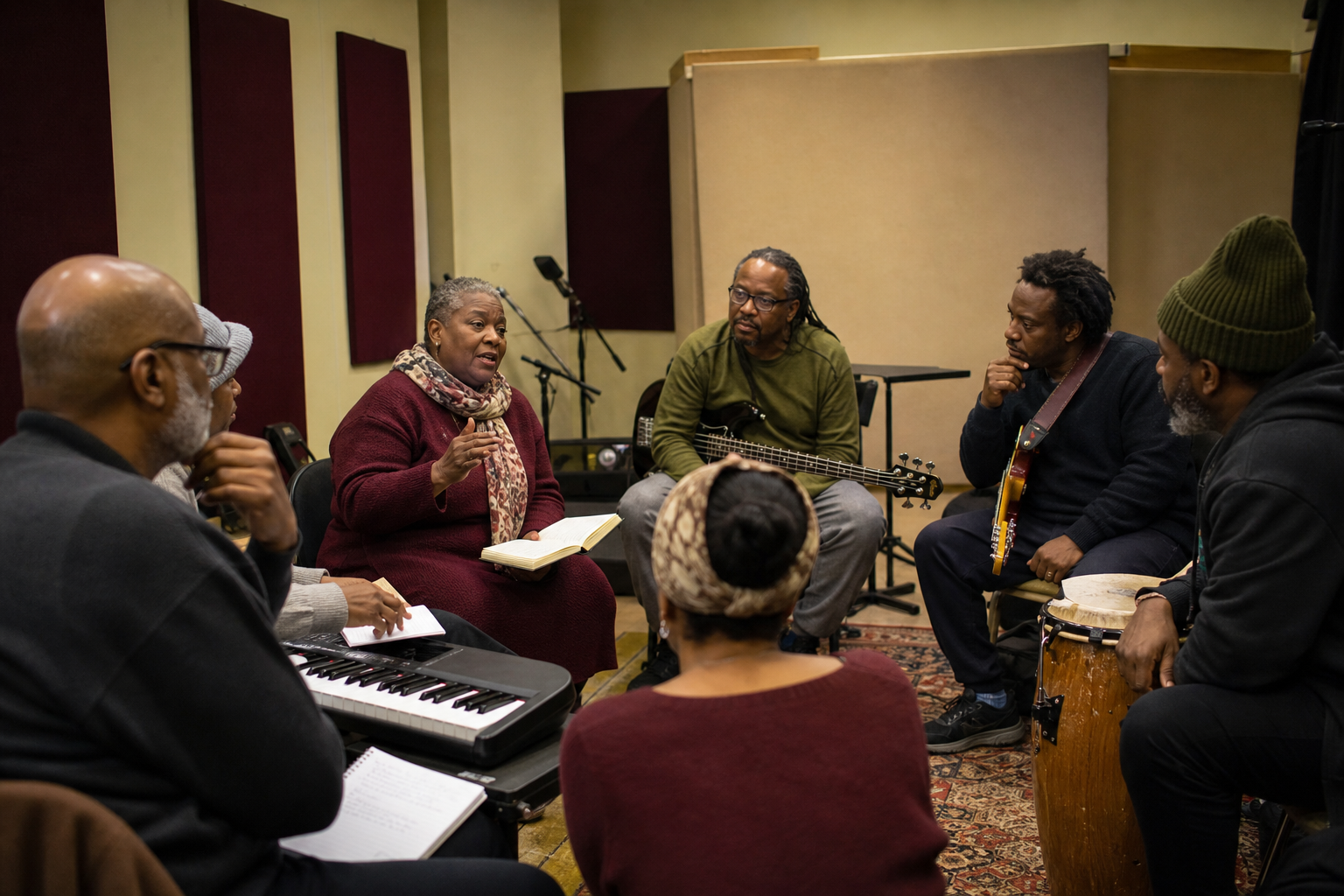
Engage knowledge holders through structured sessions in key UK cities: Manchester, London and Birmingham.
Capture song material and its context with clear consent, cultural-authority checks and file-handling protocols.
Produce an archive-ready documentation pack, including logged song variants, provenance notes, credit preferences and usage restrictions.
Deliver a pilot concert showcase of six songs with band, introduction and contextual framing to evidence the model in practice.
Practice rooted in community
Selection is governed by representativeness and documentability, not popularity or performance impact.
What WIRP will not do in Phase 1
It will not treat material as “public domain by default”.
It will not publish, release recordings or widely distribute any song without explicit permissions and documented authority.
It will not rely on Jamaica travel in Phase 1. Jamaica engagement is planned for later phases and budgeted separately.
Founder and Project Lead
Preserving the pulse of our heritage
I am Joshua Gordon, founder of the West Indian Revival Project (WIRP). As a first-generation Black Briton born to the Windrush generation, Caribbean culture is not just my background. It is encoded into the fabric of my identity.
I grew up immersed in the vibrant traditions, stories and resilience of my parents’ generation. As I look at our community today, I see a growing silence. The generational gap is widening, and the rich knowledge of those who came before us is becoming unfamiliar to those following behind. WIRP was born from a necessity to bridge that gap. We are here to ensure the legacy of the Windrush generation is not just remembered, but lived.
Ethical positioning
Living heritage, accountable practice
WIRP records and preserves West Indian Revival songs as living cultural heritage, not as neutral repertoire. These songs sit within specific spiritual and community traditions shaped by colonial history, migration, faith practice and shared memory. WIRP does not claim ownership of the material. It takes responsibility for how songs are handled, documented, contextualised and, where appropriate, shared.
Cultural authority is defined by proximity to the tradition, not by funding, institutions or musical ability. Recording only proceeds where there is clear ethical and cultural clearance grounded in lived practice, transmission and community recognition. Knowledge holders are primary stakeholders in decision-making, with real power to guide what is recorded, how it is performed and what should never be made public. Where perspectives differ, WIRP documents disagreement rather than forcing a single “official” version.
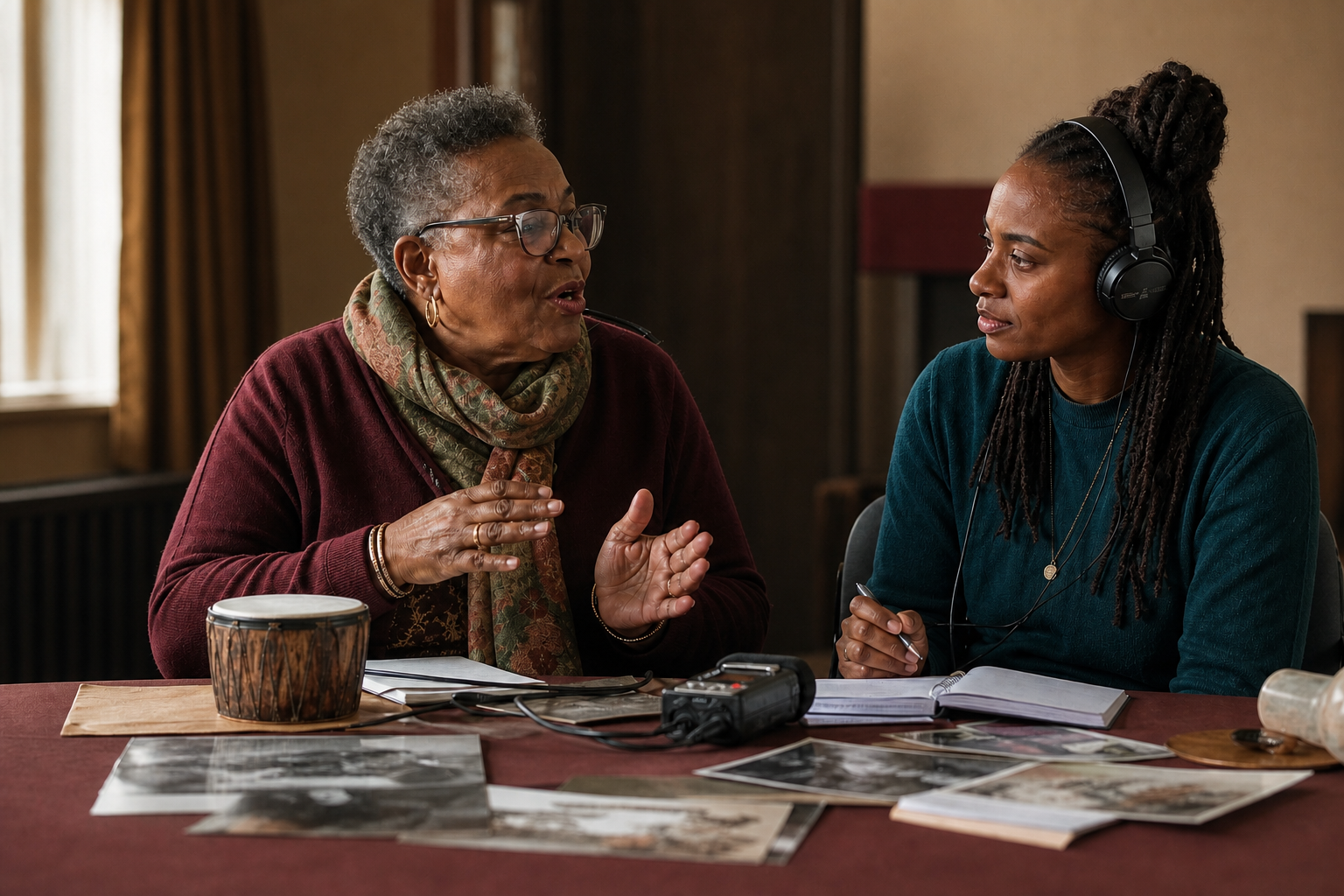
Listening to the people who carry the tradition
Consent is ongoing, not a one-time tick box. People may agree to recording and preservation while limiting public access, future reuse or dissemination. Public release is never assumed, and some material may be archived but restricted or withheld where wider access could risk harm, misrepresentation or inappropriate separation from a worship context.
In the pilot phase, WIRP is UK-based. Jamaica is the source context for the tradition, but it is not the location of delivery during this phase. Jamaica acts as an important cultural reference point, helping the project stay accurate, respectful and context-led when describing origins, worship function, language, dialect and the broader Revival ecosystem.
Where appropriate, Jamaica-based perspectives may be used indirectly through existing scholarship, publicly available cultural-heritage resources or later consultation routes. Phase 1 does not treat this as the only valid authority pathway and does not rely upon it as the primary mechanism for verification.
The pilot is focused on proving that the ethical model works in practice within the UK by building a careful and transparent process for consent, authority assessment, documentation and access decisions. The project remains open to deeper Jamaica-based engagement in later phases once the pilot has established a credible and scalable foundation.
WIRP’s ethical approach is transparent and accountable. Decisions, restrictions, attribution and uncertainties are recorded so the archive shows its workings. Ethical success means communities recognise the work as careful rather than extractive, future singers understand the meaning and context of what they are singing, and the project remains credible even when the right choice is not to publish.